
For more than a decade, the humble 1099 has been one of the biggest sources of year-end paperwork for small business owners — and one of the easiest things to get wrong. Two significant 2026 1099 changes are about to reshape who receives a 1099 and who has to send one. Both come from the One Big Beautiful Bill Act (OBBBA), and together they mean far fewer forms for millions of businesses, freelancers, and online sellers. Here is what is changing, when it takes effect, and the one detail that trips taxpayers up every single year.
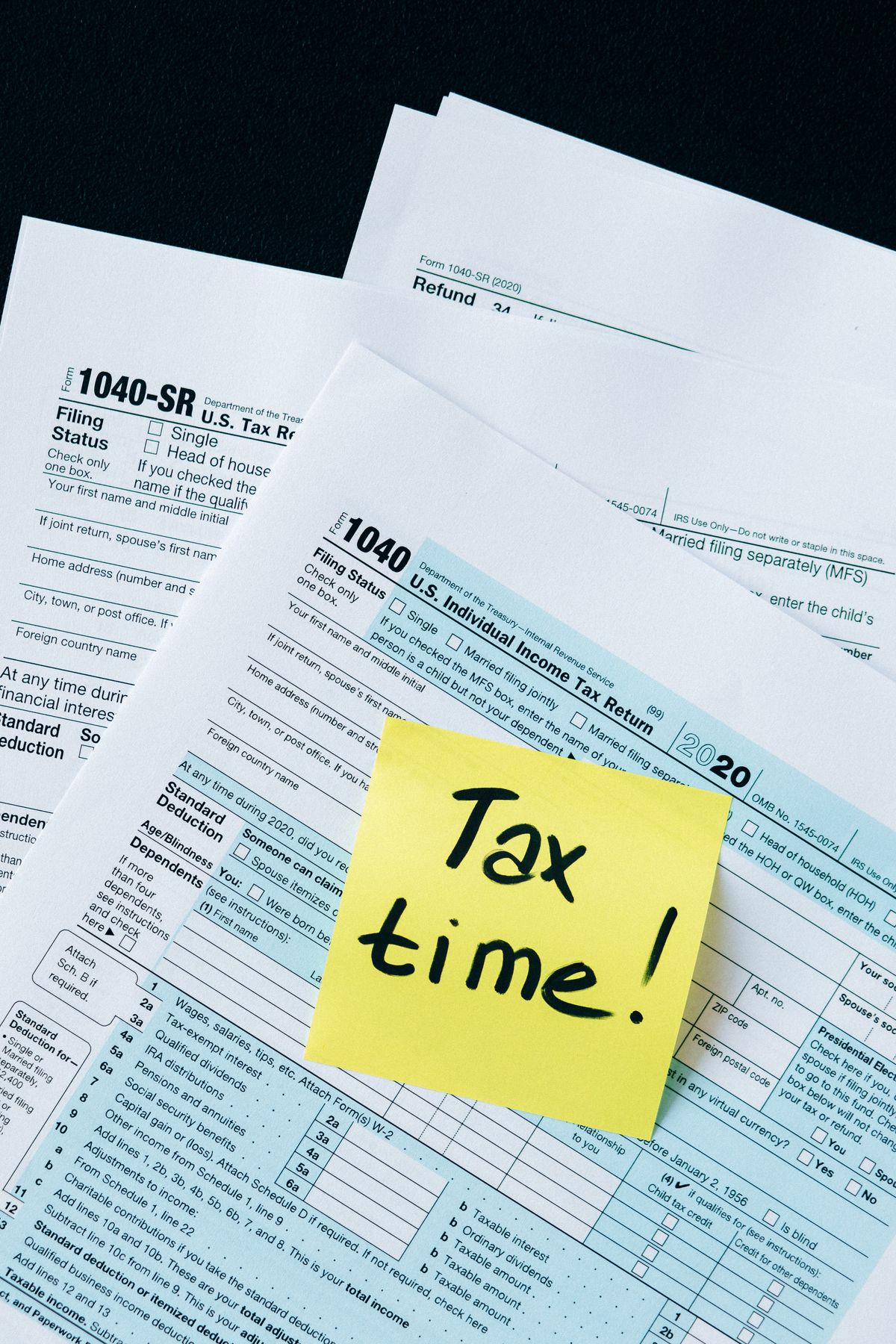
Change #1: The 1099-NEC Threshold Jumps from $600 to $2,000
If you pay independent contractors, this is the headline. Since the 1980s, businesses have had to issue a Form 1099-NEC to any non-employee they paid $600 or more during the year. Starting with payments made on or after January 1, 2026, that floor rises to $2,000. In plain terms, you only need to file a 1099-NEC for a contractor once your total payments to them reach $2,000 for the calendar year.
The first forms under the new threshold cover the 2026 tax year and will land in contractors’ mailboxes in early 2027. And the relief is built to last: beginning in 2027, that $2,000 figure will be adjusted for inflation, so it should keep pace with rising costs rather than freezing in place for decades. For a business that hires occasional designers or consultants, this can quietly eliminate a stack of year-end forms.

Change #2: The 1099-K Threshold Returns to $20,000
The second change ends years of confusion for anyone who gets paid through a platform like PayPal, Venmo, Square, eBay, or Etsy. The 2021 American Rescue Plan Act had scheduled the Form 1099-K reporting threshold to fall to just $600 — a change that would have buried casual sellers and side-hustlers under an avalanche of tax forms. OBBBA scraps that plan and restores the original rule.
For 2026, a third-party payment platform only has to send you a 1099-K if your payments exceed $20,000 and you have more than 200 transactions in the year. The IRS has confirmed the rollback in its own published FAQs. For the vast majority of part-time sellers and gig workers, that means no surprise form in the mailbox. One caveat worth knowing: direct card payments processed for your business can still generate a 1099-K with no minimum dollar amount, so card-heavy sellers should not assume they are off the hook entirely.

The 2026 Thresholds at a Glance
| Form | Who it covers | Old threshold | 2026 threshold |
|---|---|---|---|
| 1099-NEC | Payments to independent contractors | $600 | $2,000 |
| 1099-K | Payments via apps & marketplaces | $600 (planned) | $20,000 + 200 transactions |
The Catch Every Taxpayer Forgets
No form does not mean no tax. A higher reporting threshold changes the paperwork — not the law. Every dollar you earn from work or sales is still reportable on your federal return, whether or not a 1099 ever arrives.
This is the detail that catches people off guard. If you earned $1,500 from a client in 2026, you will not receive a 1099-NEC — but that $1,500 still belongs on your tax return. The forms are simply a trigger for reporting, not the definition of taxable income. Treating “no 1099” as “no tax” is one of the fastest ways to invite an IRS notice down the road.
What Small Business Owners Should Do Now
Fewer forms is welcome news, but it is not a reason to get loose with your records. A few habits will keep you both compliant and audit-ready:
- Keep collecting W-9s up front. Request a W-9 from every new contractor before you cut the first check — not in January when you are scrambling. You will not always know in advance who will cross $2,000.
- Track payments by vendor. Maintain a running total of what you pay each contractor so you can spot who needs a form well before the filing deadline.
- Do not lean entirely on the platform. If a payment app stops sending you a 1099-K, your own bookkeeping becomes the official record of that income.
- Revisit your accounting setup. A clean chart of accounts and consistent categorization make these thresholds a non-event instead of a year-end fire drill.

The Bottom Line
The 2026 1099 changes are a genuine win for small businesses and independent earners: a higher $2,000 contractor threshold, a restored $20,000 platform threshold, and a meaningful reduction in paperwork. The trade-off is that responsibility for accurate records shifts a little more onto your shoulders. Income remains taxable whether or not a form shows up, so disciplined bookkeeping is what keeps the savings from turning into a surprise.
Not sure how these changes affect your contractors, your filing obligations, or your books? KSR Financial Solutions helps small business owners and individuals stay ahead of shifting tax rules with clear, practical guidance. Contact us today to review your 1099 process before the 2026 tax year is in full swing.