
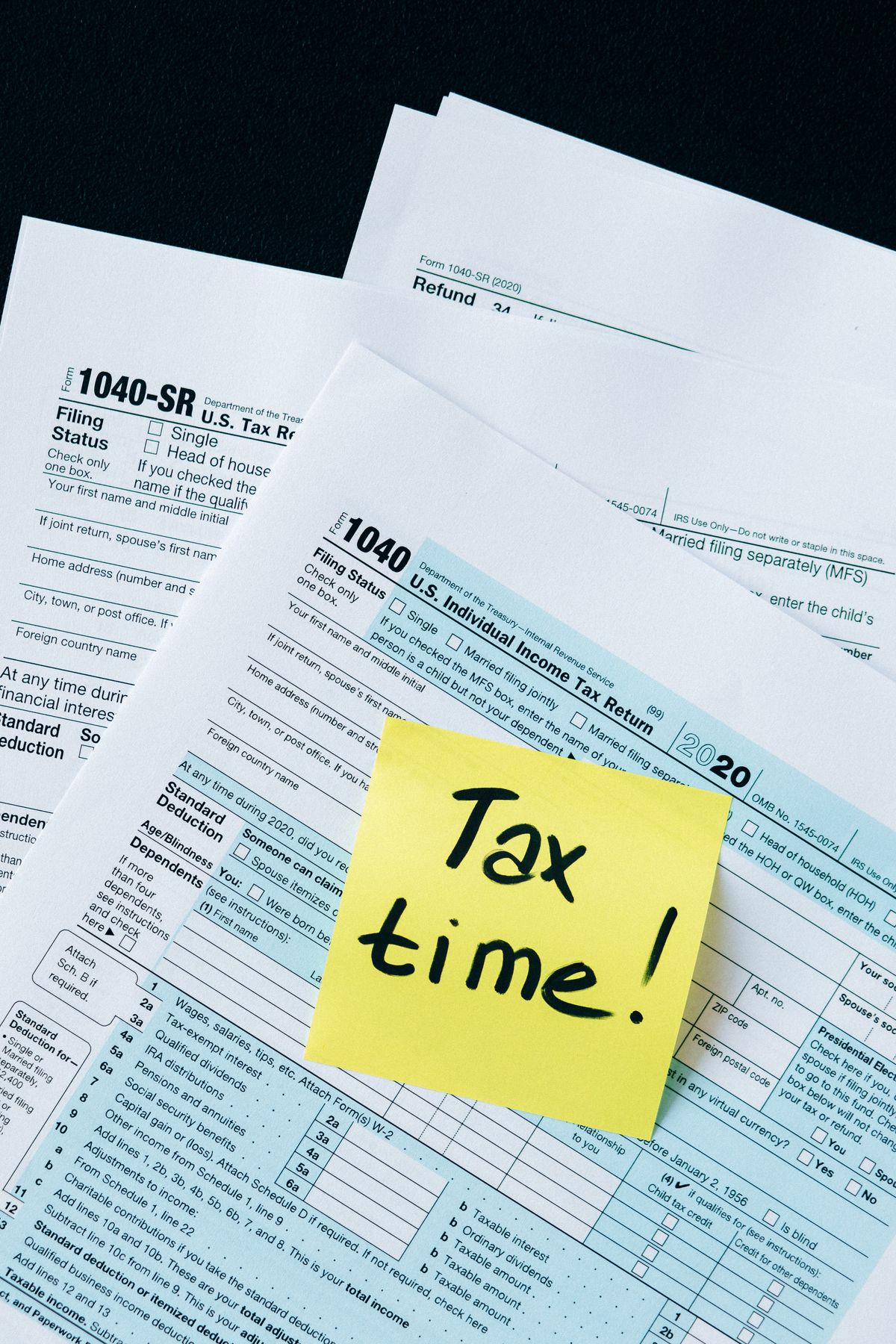
The middle of the year has a way of sneaking up on busy business owners — and so does the second-quarter estimated tax deadline. For 2026, that date is Monday, June 15, and it applies to anyone whose income isn’t fully covered by paycheck withholding. Whether you run a growing small business or freelance on the side, this is the ideal moment to check in on your tax picture, make your payment, and take advantage of several new rules that took effect this year. Here’s a practical mid-year checklist to keep you penalty-free and planning ahead.
Mark Your Calendar: What the June 15 Deadline Covers
The IRS collects income tax on a pay-as-you-go basis. If you don’t have an employer withholding tax from a paycheck, you’re generally expected to make four estimated payments across the year. The second installment is due June 15, 2026, and it covers the income you earned from April 1 through May 31 — just a two-month window, despite the “quarterly” label. Here is how the full 2026 schedule lines up:
- April 15, 2026 — Q1, for income earned January through March
- June 15, 2026 — Q2, for income earned April through May
- September 15, 2026 — Q3, for income earned June through August
- January 15, 2027 — Q4, for income earned September through December
Do You Actually Need to Pay?

Not everyone owes estimated taxes. As a general rule, you need to make payments if you expect to owe at least $1,000 in federal tax for the year after subtracting your withholding and refundable credits. That typically includes sole proprietors, partners, S-corporation shareholders, gig workers, and anyone with meaningful income from investments, rentals, or a side business. If the balance you would owe after withholding comes in under $1,000, the IRS won’t charge an underpayment penalty.
The Safe-Harbor Rule: How to Stay Penalty-Free
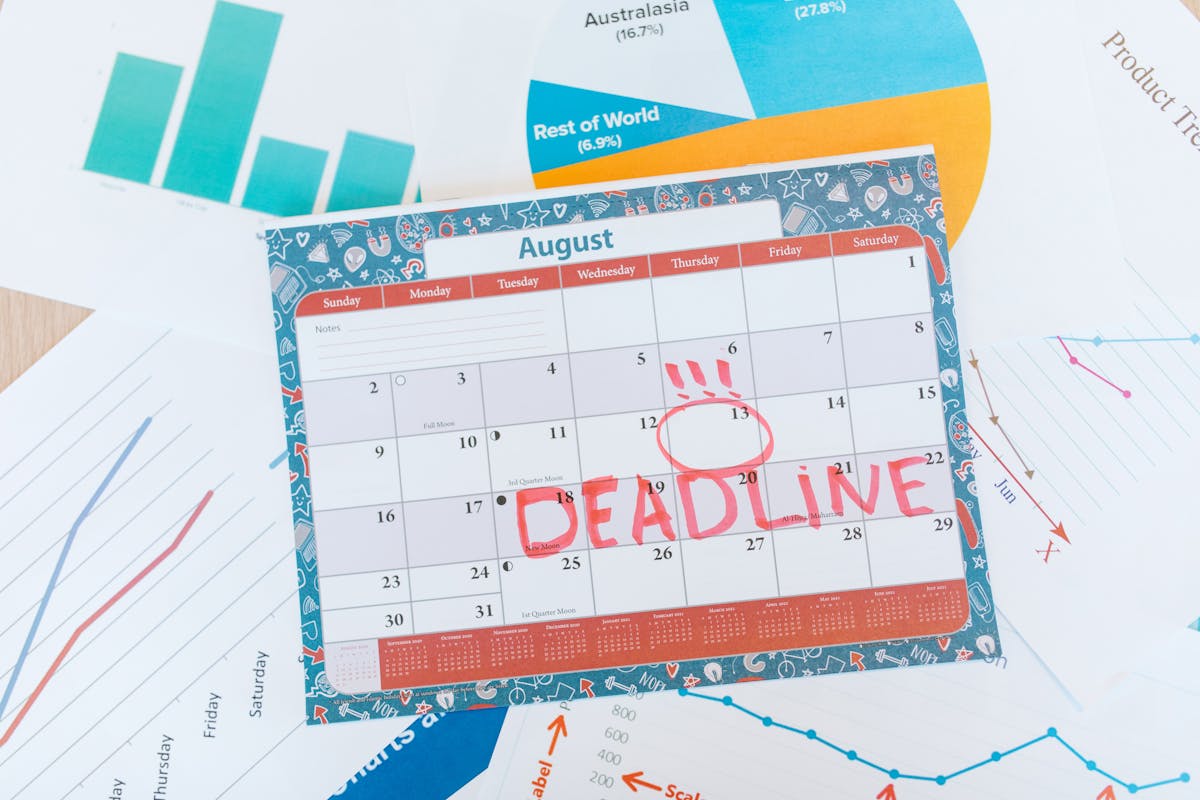
The good news is that you don’t have to predict your full-year income perfectly. The IRS offers a “safe harbor”: meet it, and you avoid the underpayment penalty no matter how your year turns out.
Safe Harbor at a Glance
Your withholding plus timely estimated payments simply need to equal the smaller of:
- 90% of the tax you’ll owe for 2026, or
- 100% of the tax shown on your 2025 return — 110% if your 2025 adjusted gross income was over $150,000.
Many owners base their payments on last year’s return because that number is already known. Just remember the higher 110% threshold if you’re a higher earner. And if your income has climbed in 2026, paying only against the prior-year figure may leave a balance at filing time — so set aside a little extra to avoid an April surprise.
New for 2026: Rules That Change Your Math

Several provisions from recent federal tax legislation took effect this year and may meaningfully change what you owe — which means your June payment deserves a fresh calculation rather than a copy-paste from last quarter.
| Provision | 2025 | 2026 |
|---|---|---|
| Section 179 expensing limit | $2.5 million | $2.56 million |
| Section 179 phase-out begins | $4 million | $4.09 million |
| First-year bonus depreciation | Phasing down | 100% restored |
| QBI deduction (pass-throughs) | Scheduled to expire | Made permanent |
| 1099-K reporting threshold | Lower threshold | $20,000 & 200 transactions |
| 1099-NEC / MISC threshold | $600 | $2,000 |
For business owners, the restored 100% bonus depreciation and higher Section 179 limits mean equipment, vehicles, and technology purchases can often be written off in full the year you put them to use. The now-permanent 20% qualified business income (QBI) deduction also gives pass-through owners more confidence to plan several years ahead. And the higher 1099-K and 1099-NEC reporting thresholds change which payments generate tax forms — worth noting if you sell online or pay contractors.
Three Moves to Make This Week
- Estimate your year-to-date profit and compare it to last year, so your June 15 payment reflects reality rather than guesswork.
- Factor in equipment or software you’ve already bought or plan to buy — those deductions can lower what you owe right now.
- Open or top up a dedicated tax savings account so each quarter’s payment is money you’ve already set aside, not a last-minute scramble.
Mid-year is the sweet spot for tax planning: there’s still time to adjust, but enough of the year has passed to make solid projections. A few minutes now can spare you penalties in April and help you keep more of what you earn.
At KSR Financial Solutions, we help small business owners and individuals calculate accurate estimated payments, apply the latest deductions, and build a tax strategy that fits their goals. If you’d like a second set of eyes before the June 15 deadline — or a plan for the rest of 2026 — contact KSR Financial Solutions today and head into the second half of the year with confidence.
This article is for general information only and isn’t a substitute for personalized tax advice. Please consult a qualified professional about your situation.